
Luvia Lazo
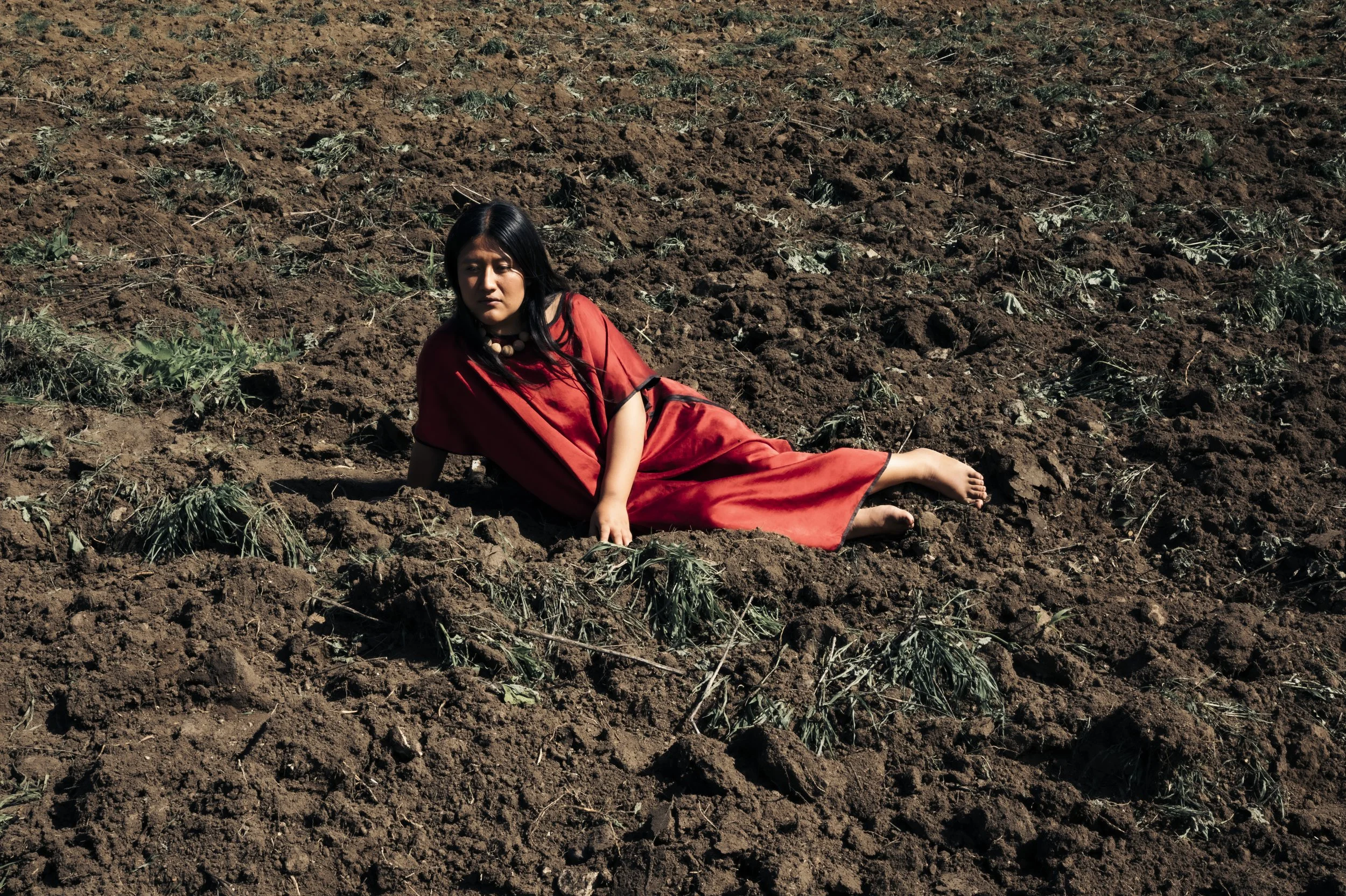
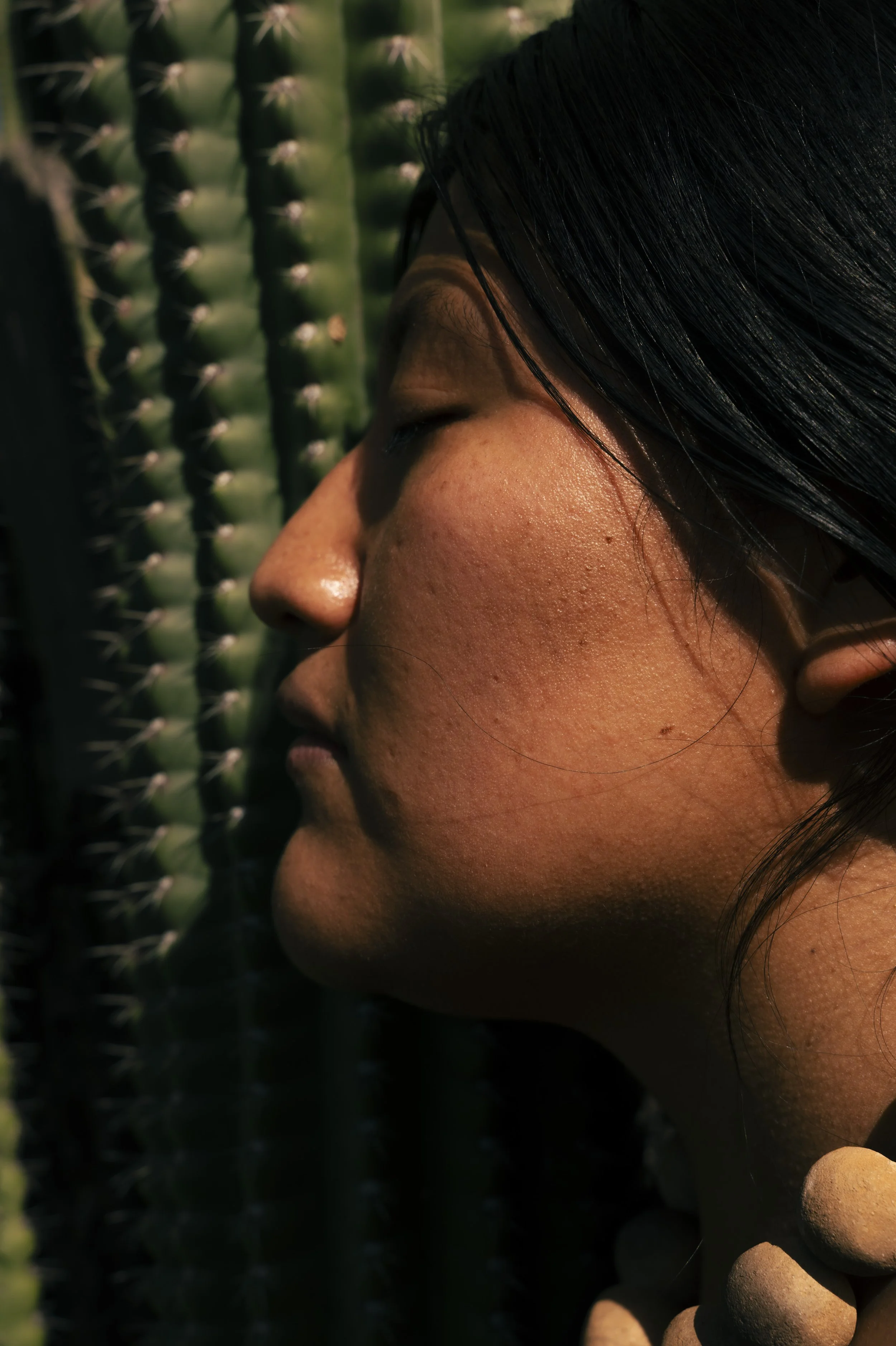
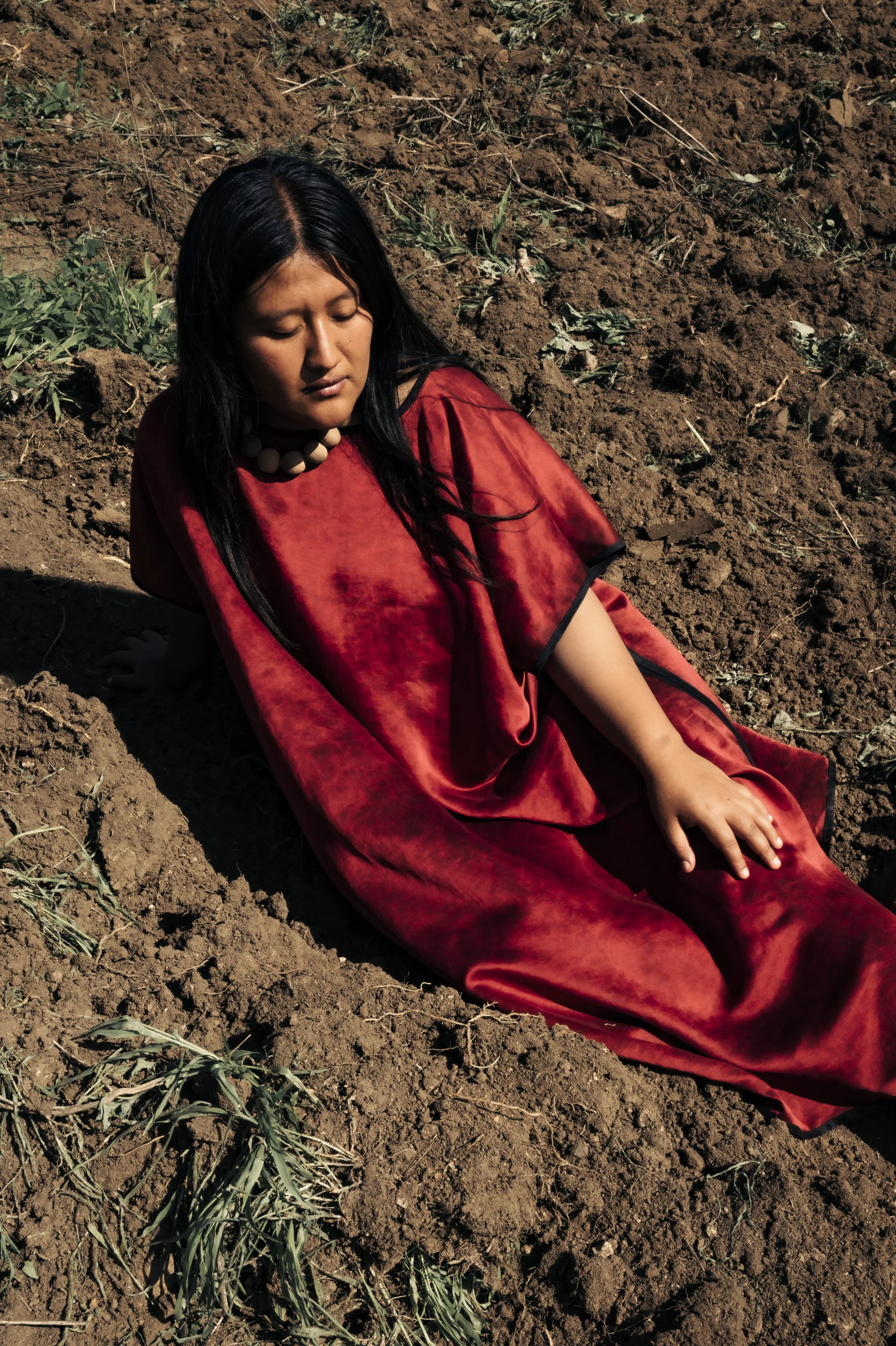
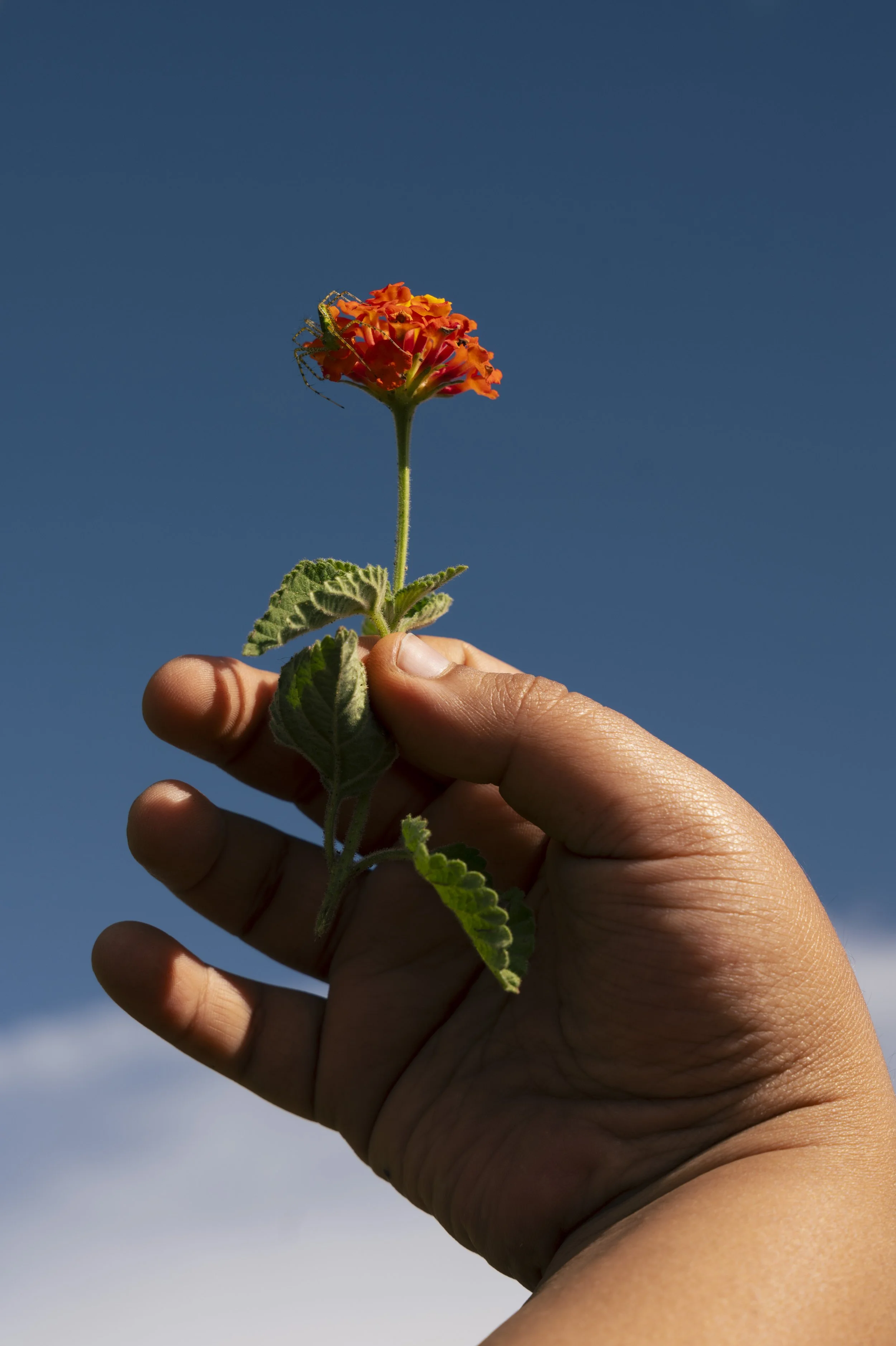
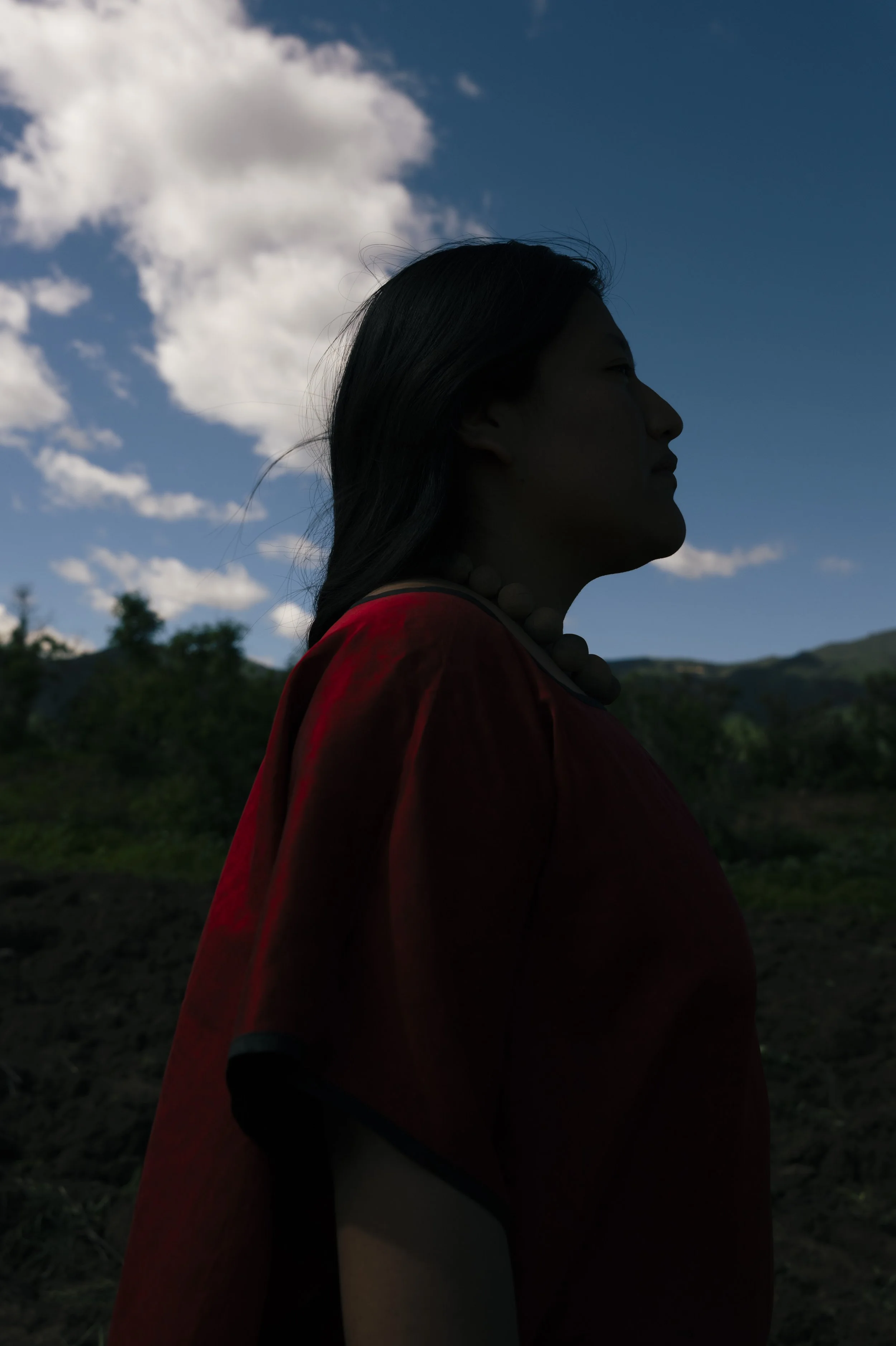
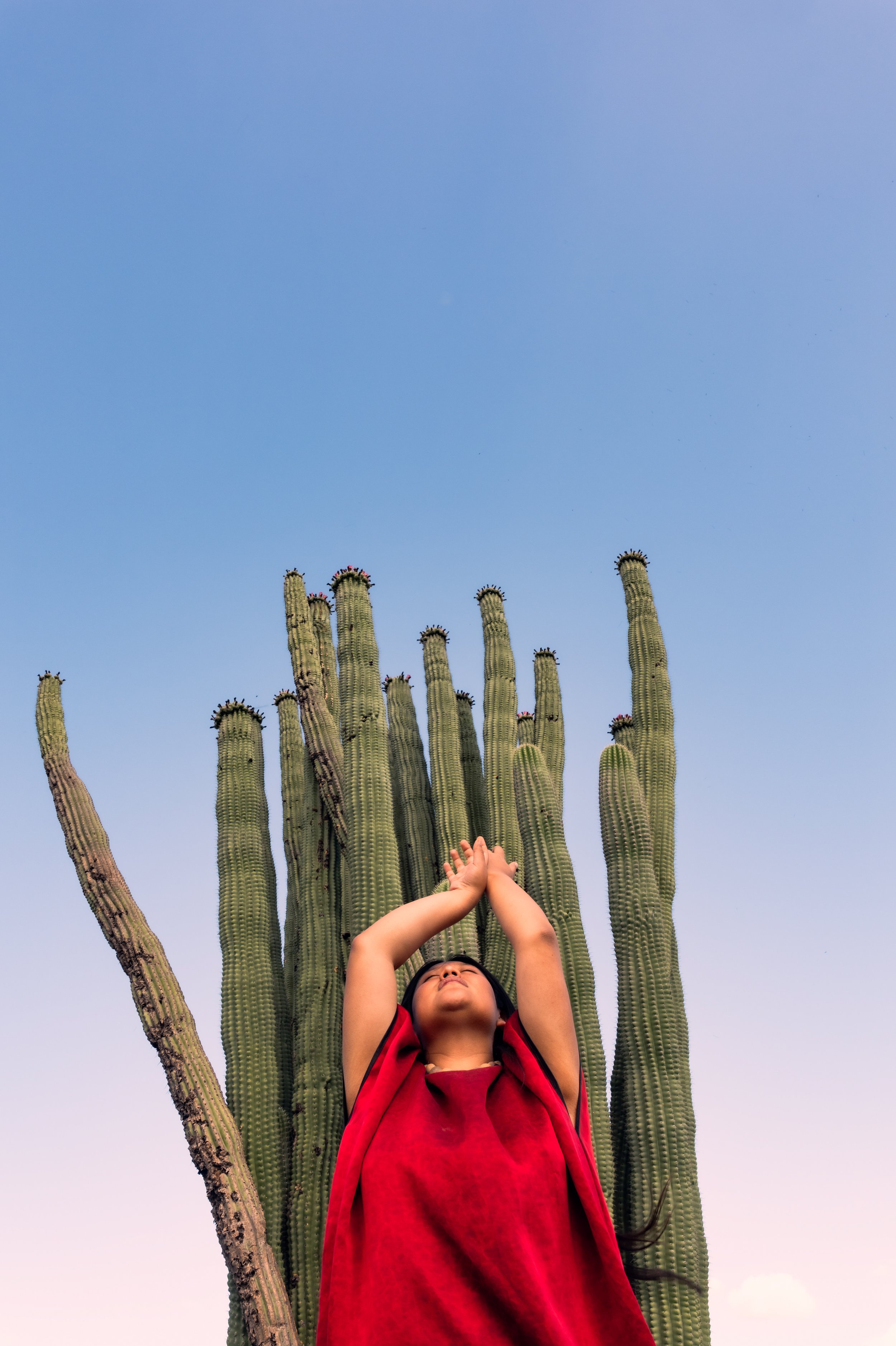
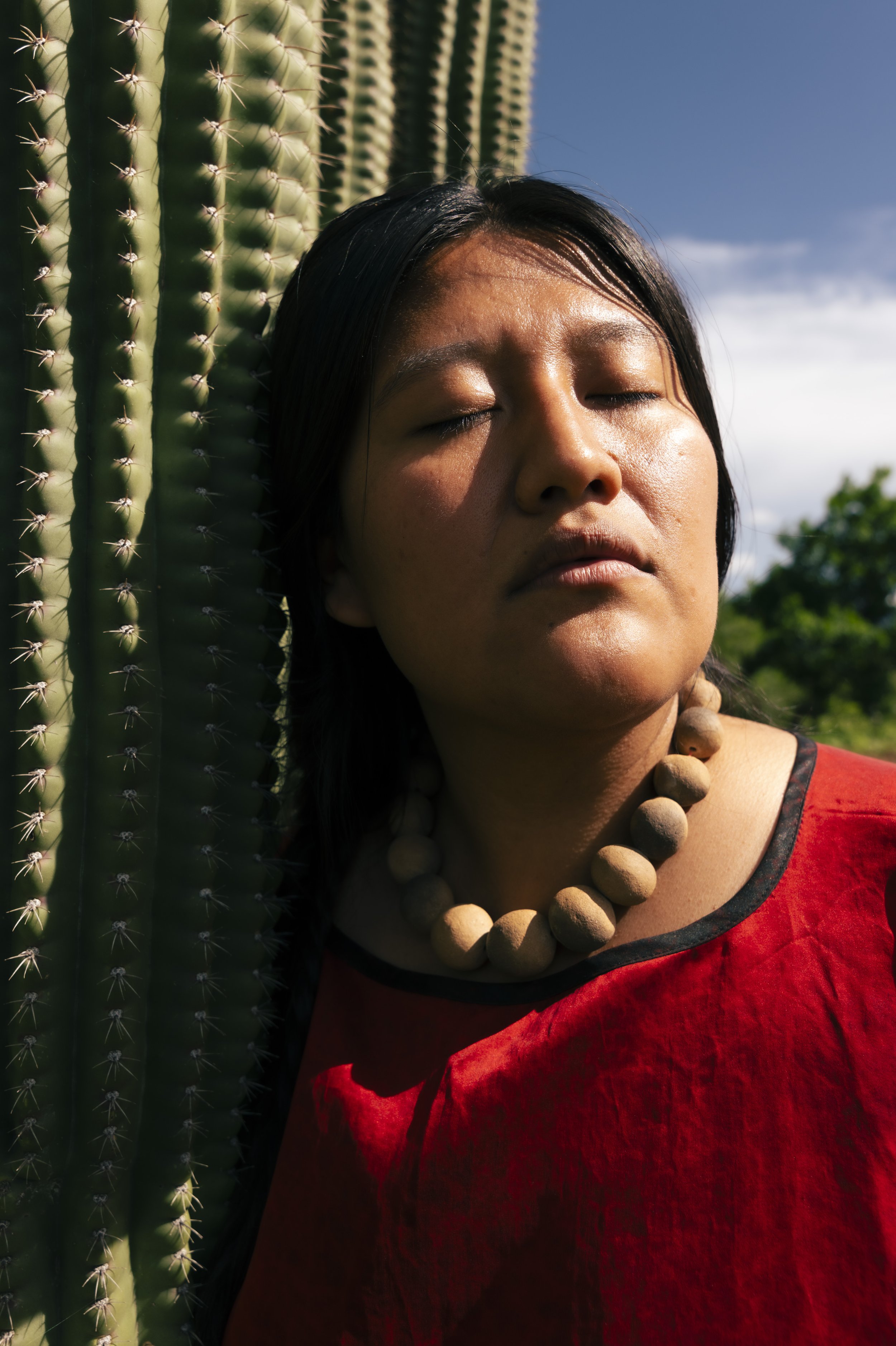
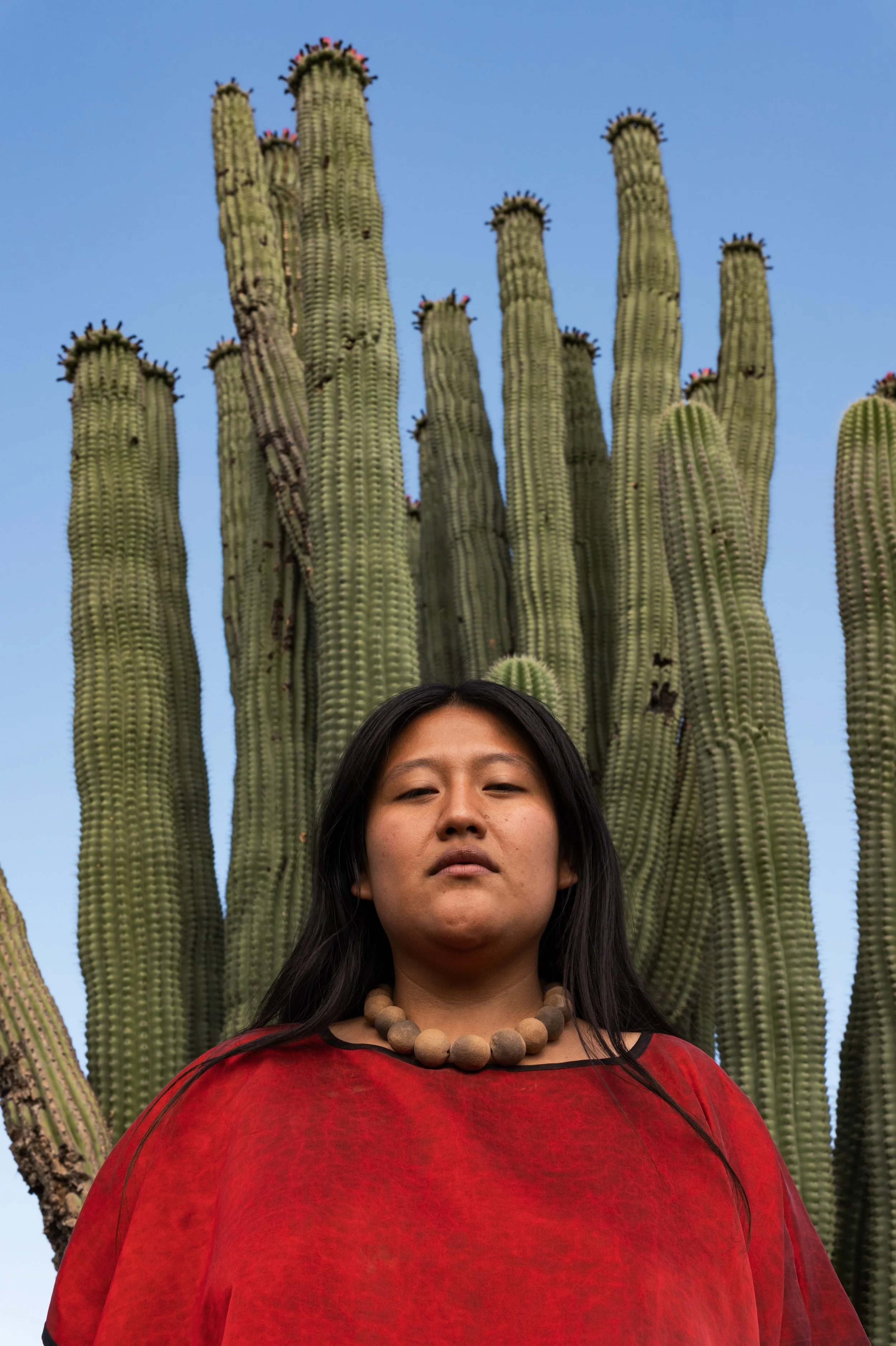
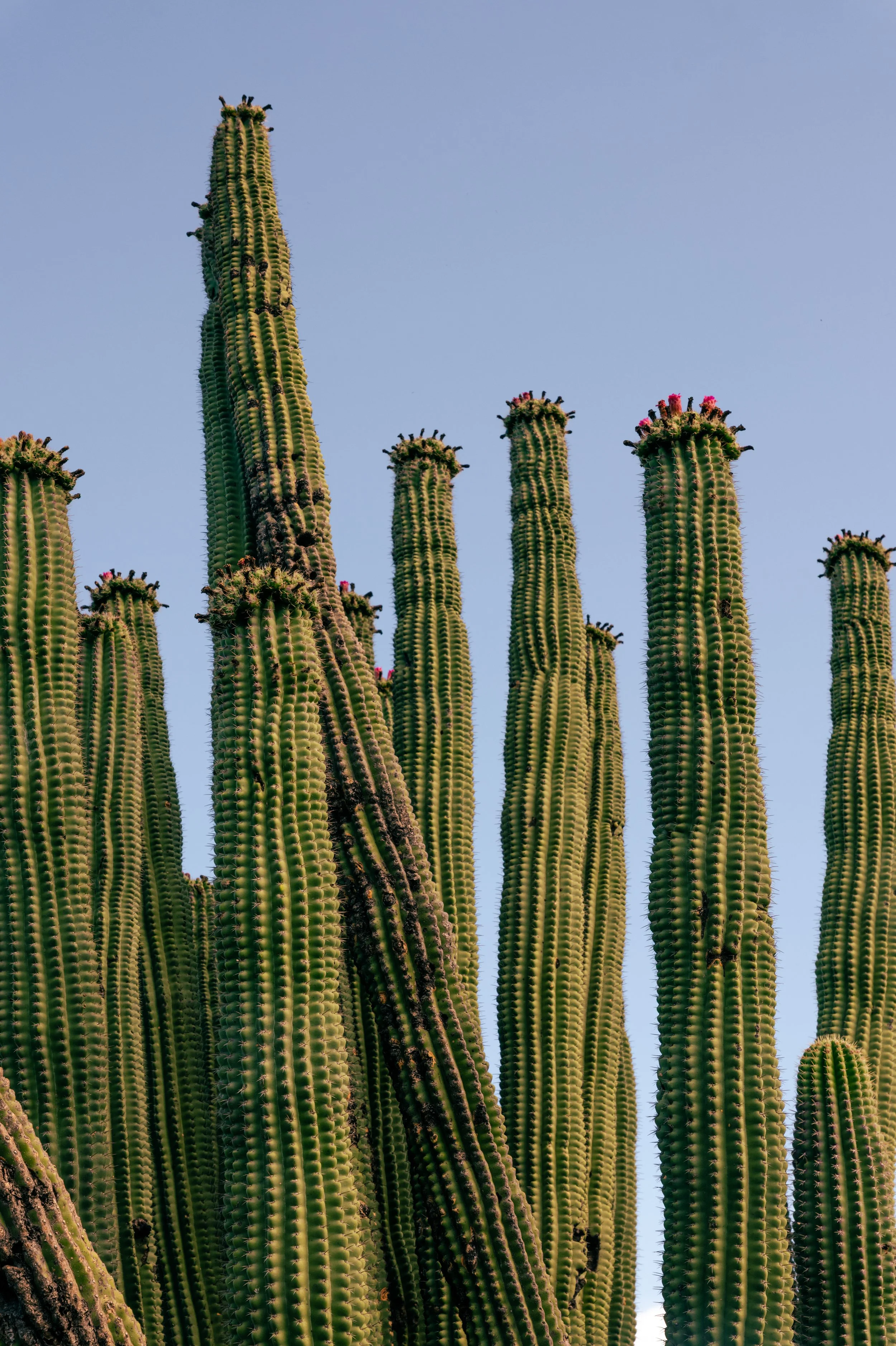
A new chapter of SEEN BY turns toward the gaze of Luvia Lazo, photographer from Teotitlán del Valle, Oaxaca.
Luvia understands photography as a way of entering the world with attention. For her, the camera is more than an instrument. It is a threshold. A way of arriving. A way of listening. A way of remaining long enough for something true to appear.
She speaks of photography as both a rudder and an anchor: something that has helped her move through life, and something that has held her close to what matters. People. Conversations. The land beneath her feet. Trees. The sky. The relief of shade when the sun burns. The quiet intelligence of everyday gestures.
In Luvia’s images, everything feels encountered.
Her gaze begins in proximity. Oaxaca is an origin, not a backdrop. Teotitlán del Valle is the ground from which her questions emerge. From that place, her work opens toward the intimate scale of the world: a person, a tree, a flower, an animal, a road, a family memory, a silence shared between photographer and subject.
For this edition of SEEN BY, NOIR enters that world.
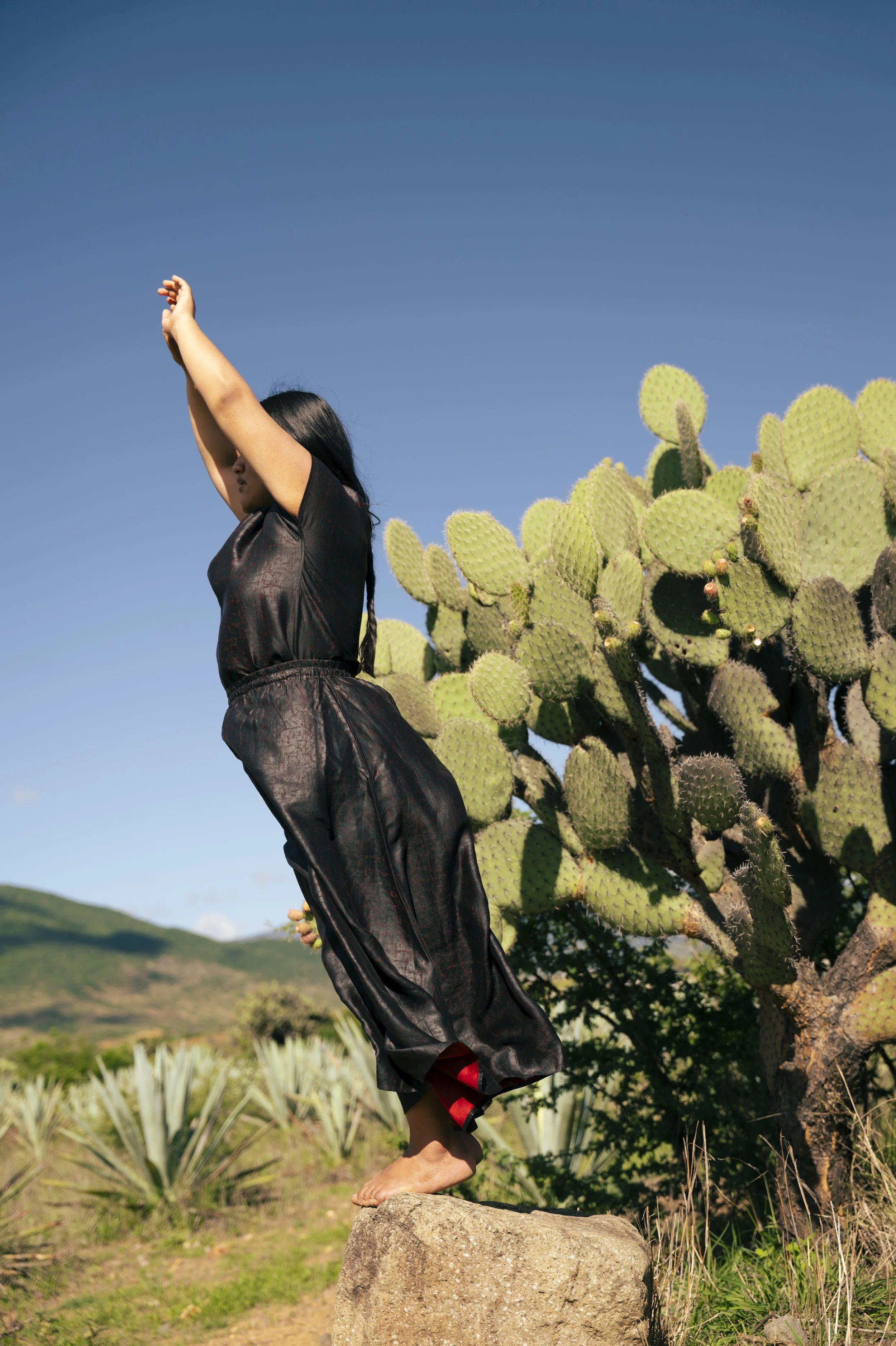
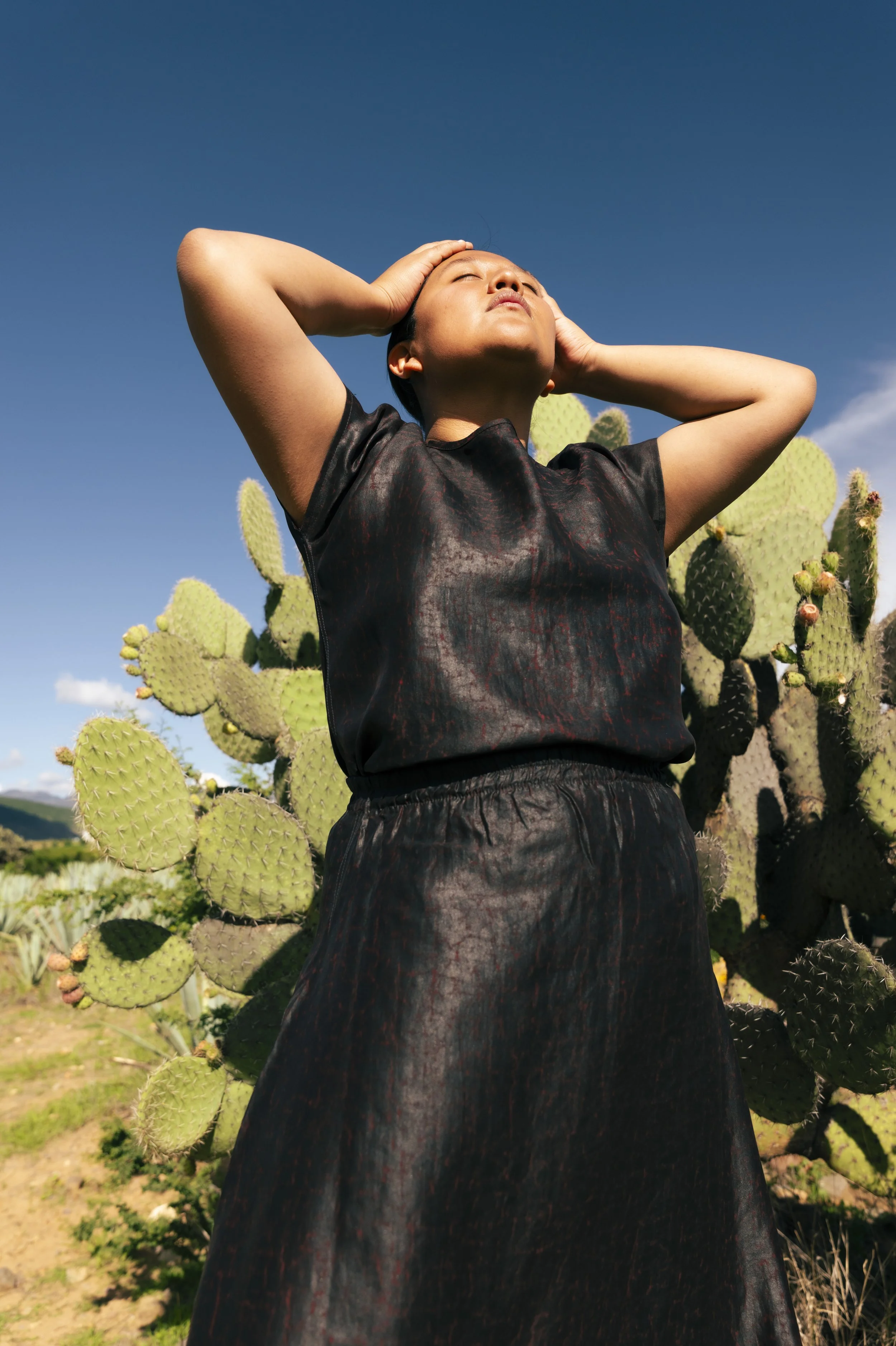
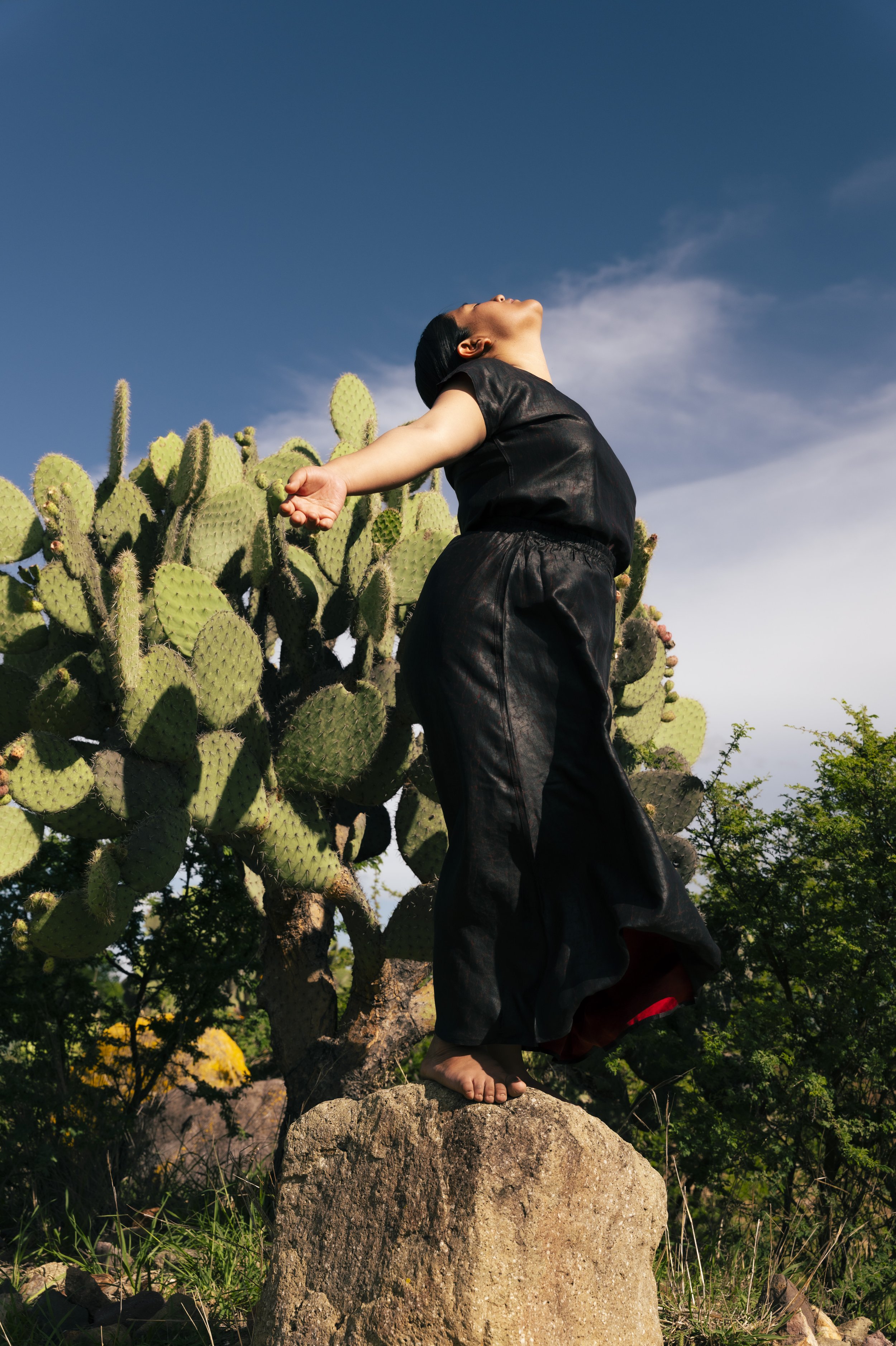
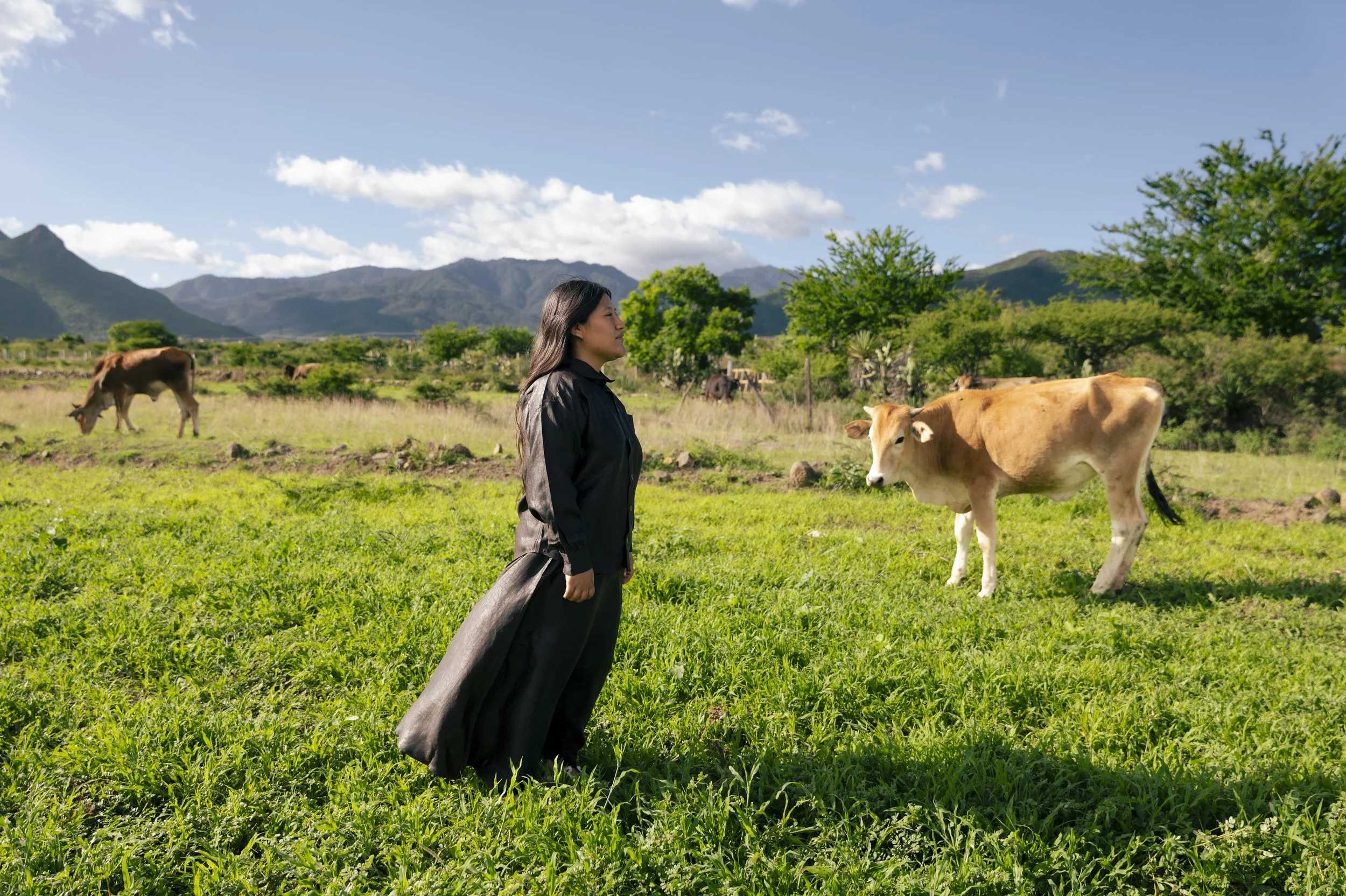
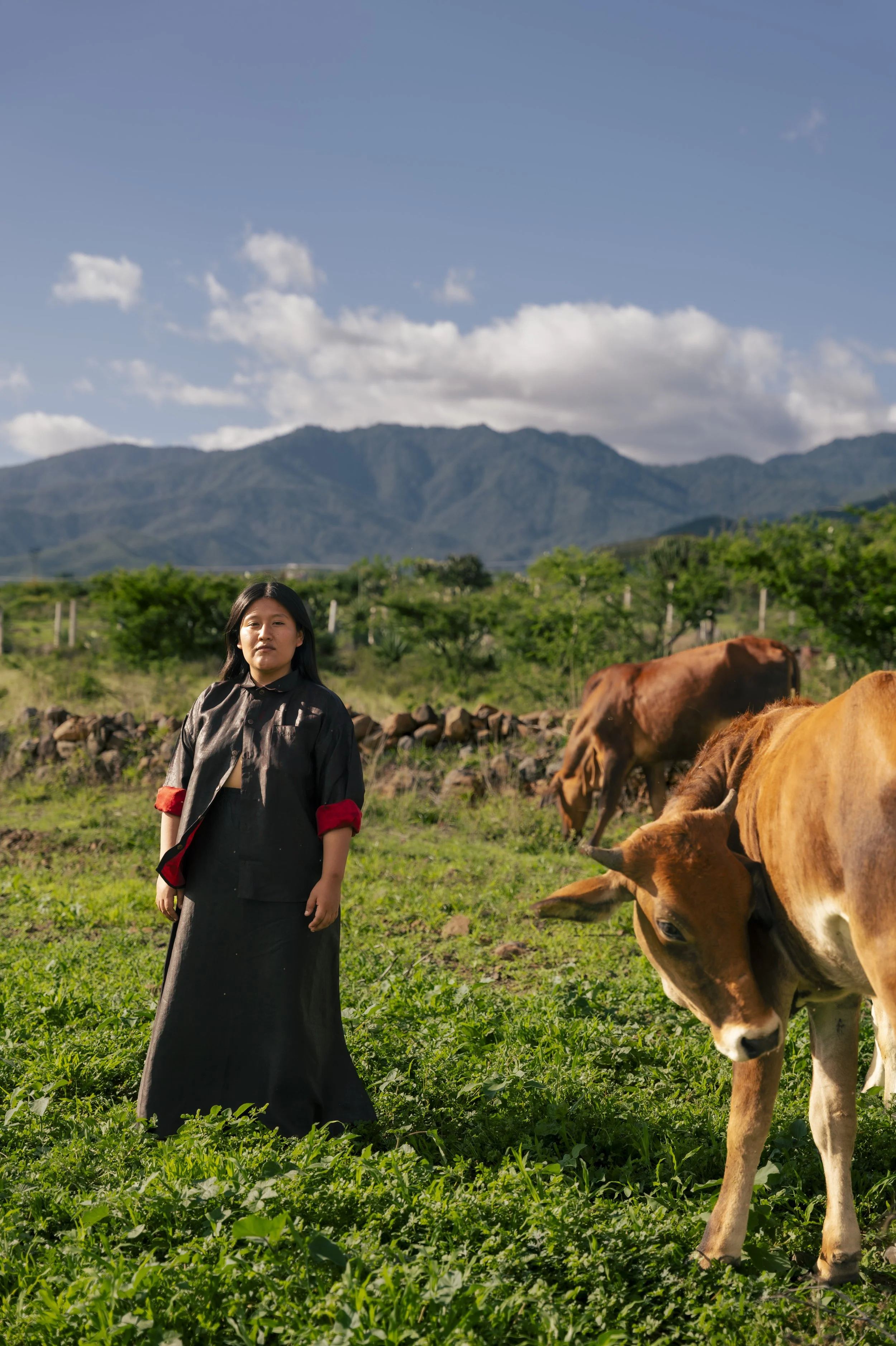
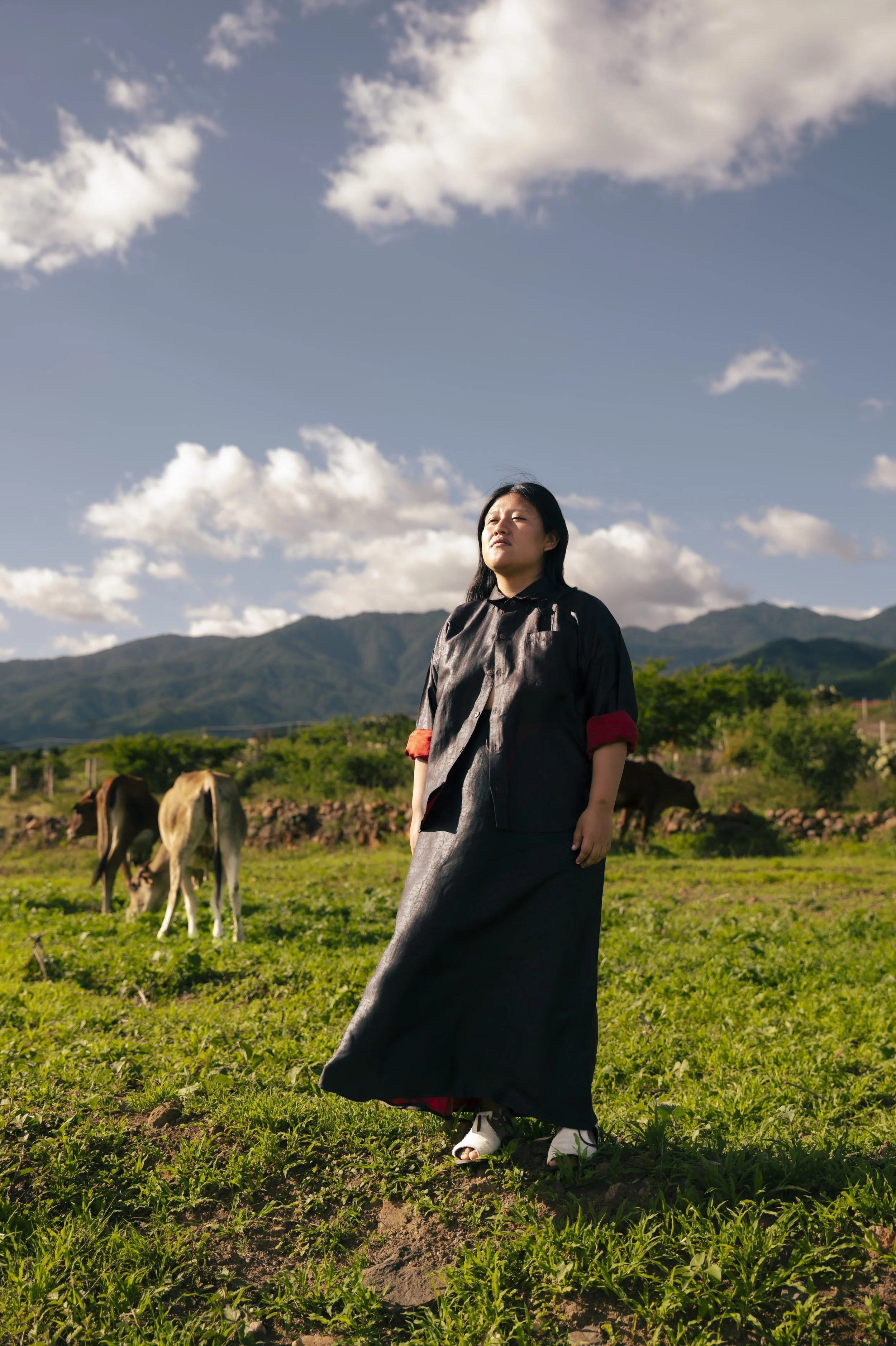
The cloth becomes part of a conversation with place. It catches light, holds shadow, moves with the body, and listens to the landscape around it. In Luvia’s hands, mud silk becomes presence. It becomes a surface where time, tenderness, and memory can gather.
This chapter is about allowing the cloth to be seen by someone whose work understands the dignity of attention.
A PHOTOGRAPHER WHO LISTENS BEFORE LOOKING
Luvia’s work is rooted in a deep ethic of presence.
She describes her responsibility as something that begins long before the camera is raised. It begins in the way one arrives. In the way one listens. In the way one stays. To photograph a person, a tree, an animal, or a landscape asks for the same commitment: care, attention, and respect for the encounter.
For Luvia, photography is an act of reciprocity. She is interested in building a relationship where two presences meet and, for a moment, are transformed by that shared space.
That sensibility is what makes her vision so close to NOIR.
NOIR is made from materials that also ask for time. Mud silk is shaped by sun, river mud, tannins, repetition, touch, and patience. It carries the memory of its making on the surface of the cloth. It reveals process.
In Luvia’s photographs, that material memory meets another kind of memory: the memory of land, family, animals, gestures, and things that have always been there, waiting to be seen again.
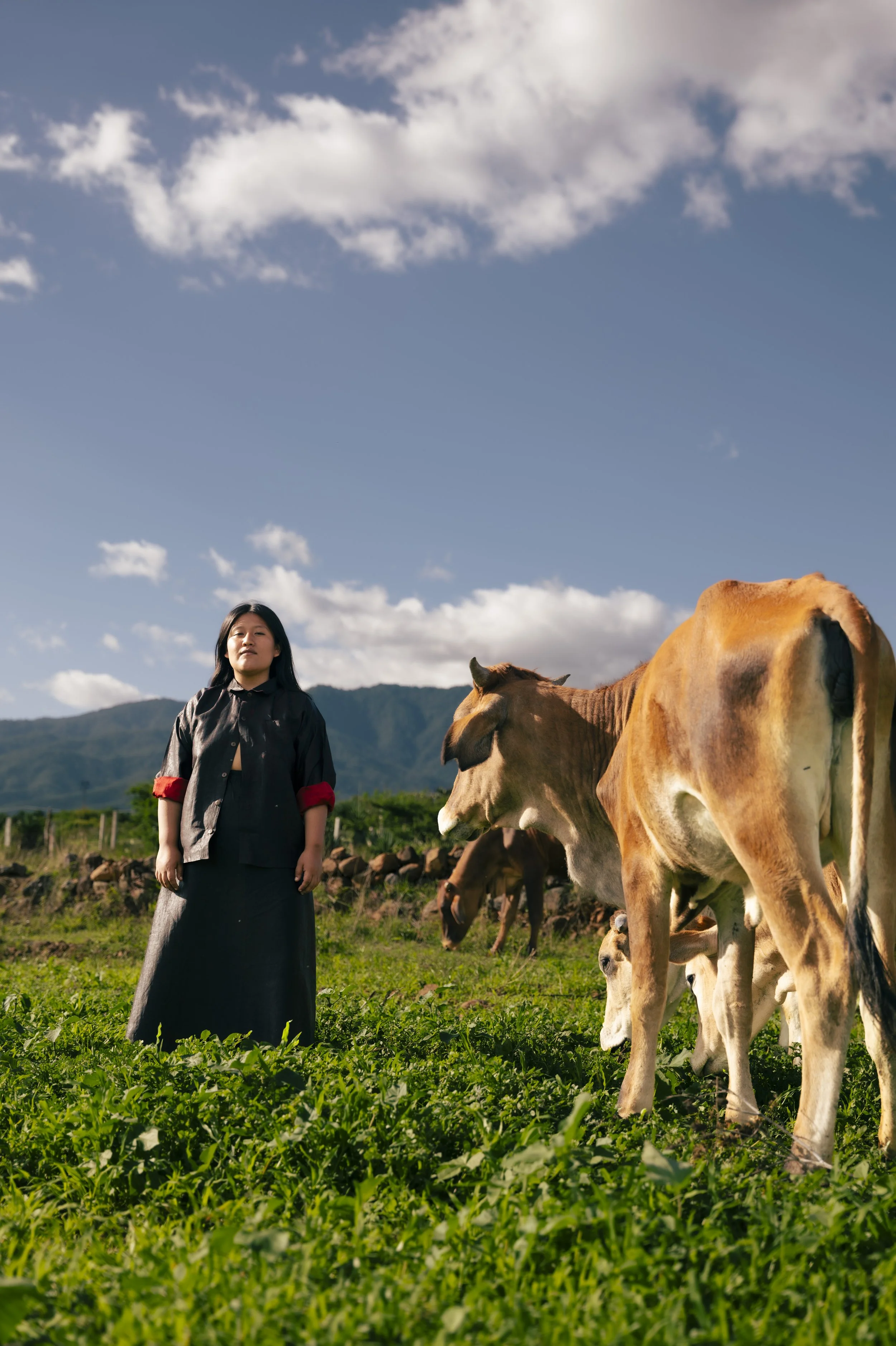
Her series for NOIR marked a return to the camera after several months away from it. She remembers walking, playing, laughing, and allowing the day to unfold. The images were guided by trust. By movement. By the simple act of being there.
There were bulls, connected to the memory of Pita’s grandfather, who had been a rider in the village jaripeos. There was also an echo of Luvia’s own father, who had been a cattleman. What began as a photograph became something gentler. The bulls surrounded Pita naturally, with a tenderness that no image-maker could have staged.
The photograph only had to be present.
This is the force of Luvia’s gaze. She waits until the world offers its meaning. her grandmother’s land, rooted in Nahua lineage, Sara carries her work as inheritance and invocation.
CLOTH, FAMILY, LAND, AND THE TENDERNESS OF SEEING
After photographing for NOIR, she sees her father in his truck, on his way to the field. He smiles and asks if she is taking photos. In that instant, something wakes up. She notices his white hair, his thinner body, the passage of time, and the quiet fact that the people we love are always changing.
This is one of the deepest threads in Luvia’s work: the desire to keep seeing what is closest to us with fresh eyes.
Her photography has taught her to listen. To hear the same story many times and still receive it as something alive. To understand that family can extend beyond people. There can be grandfather trees, grandmother birds, ancestral roads, places that speak when one learns how to remain still enough to hear them.
This way of seeing gives NOIR another life.
In her images, the garment belongs to the dust, the animals, the flowers, the body, the afternoon light. It enters the landscape with care. The texture of the silk speaks to the texture of the place. The folds of the cloth hold the same patience as the gaze that photographs it.
Luvia says that when someone encounters one of her images, she hopes they feel a little more human.
A cloth that carries time. A photographer who knows how to listen. A landscape that stands in its own language. A body held by light. An image that asks us to stay a few seconds longer.
SEEN BY NOIR: LUVIA LAZO is an invitation to look slowly, to honor what arrives, and to remember that beauty often appears when everything is allowed to breathe. Model Maria Guadalupe Antonio Velasco
https://www.luvialazo.com/
@luvialazo