
Patricia Varea Milán
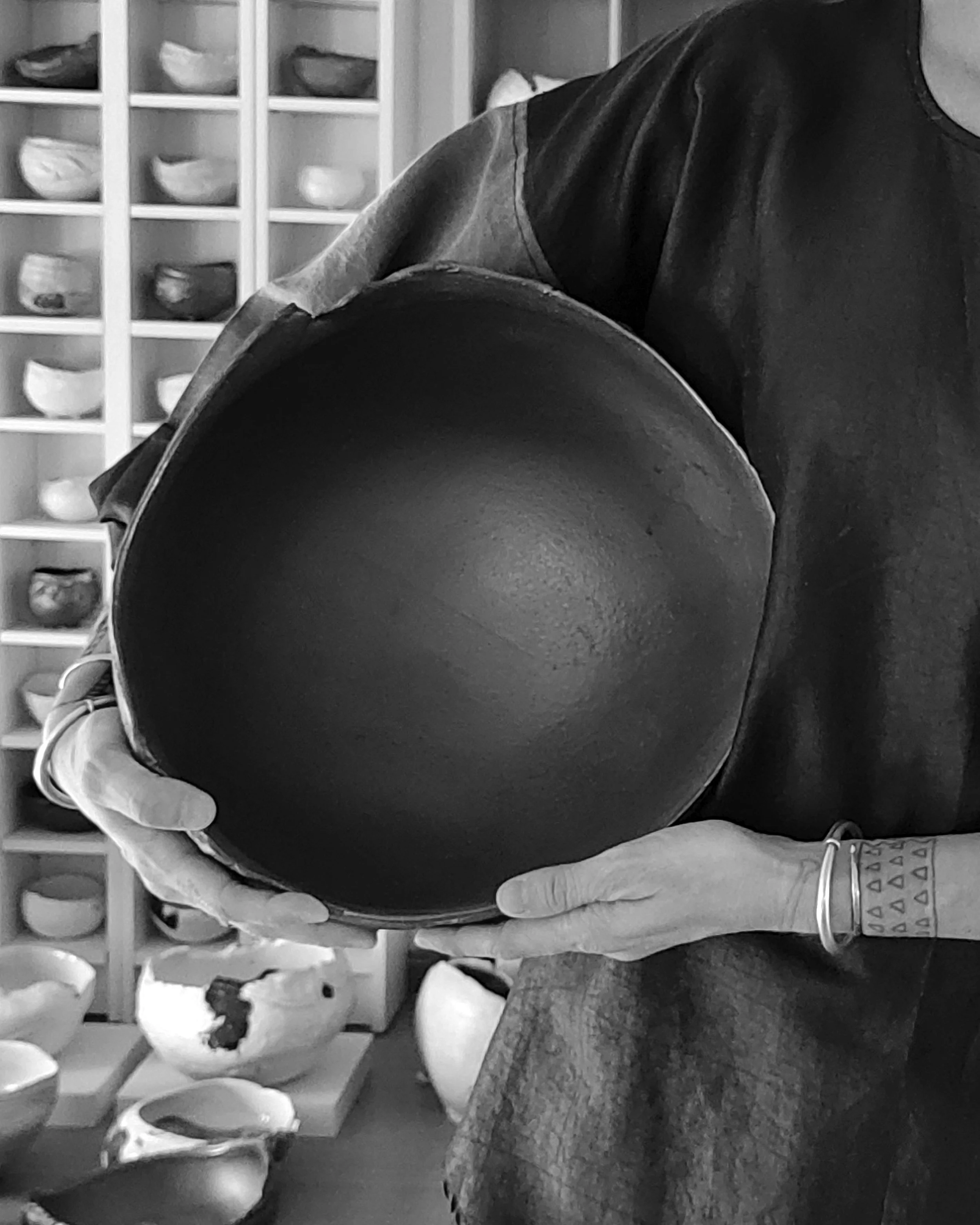
Ceramicist and archaeologist
Patricia works clay as one who listens to an origin. For more than two decades she has traced a line between research and the discipline of the hand, the wheel, hand building, and fire, so that technique becomes an homage to beginnings. In her vessels, mineral transformation erases the timeline: stoneware and porcelain turn to visible geology. Ash, quartz sand, feldspars, and metal oxides breathe at high heat until a resolute beauty appears, matter touching its own edge.
Each morning she prepares the void: cleaning the studio, ordering the space, the quiet ritual learned in Korea that sets intention before form. Time governs everything: the necessary waits, the slow equalizing of moisture, the peril and the promise of drying, until clay can meet the fire and become itself. She accepts the truth of imperfection as a mirror of the world within and without: an invitation to accept, and a responsibility to repair the imbalances our actions place upon nature. Her palette is chosen through mineralization and carbonization; the process selects the tone.
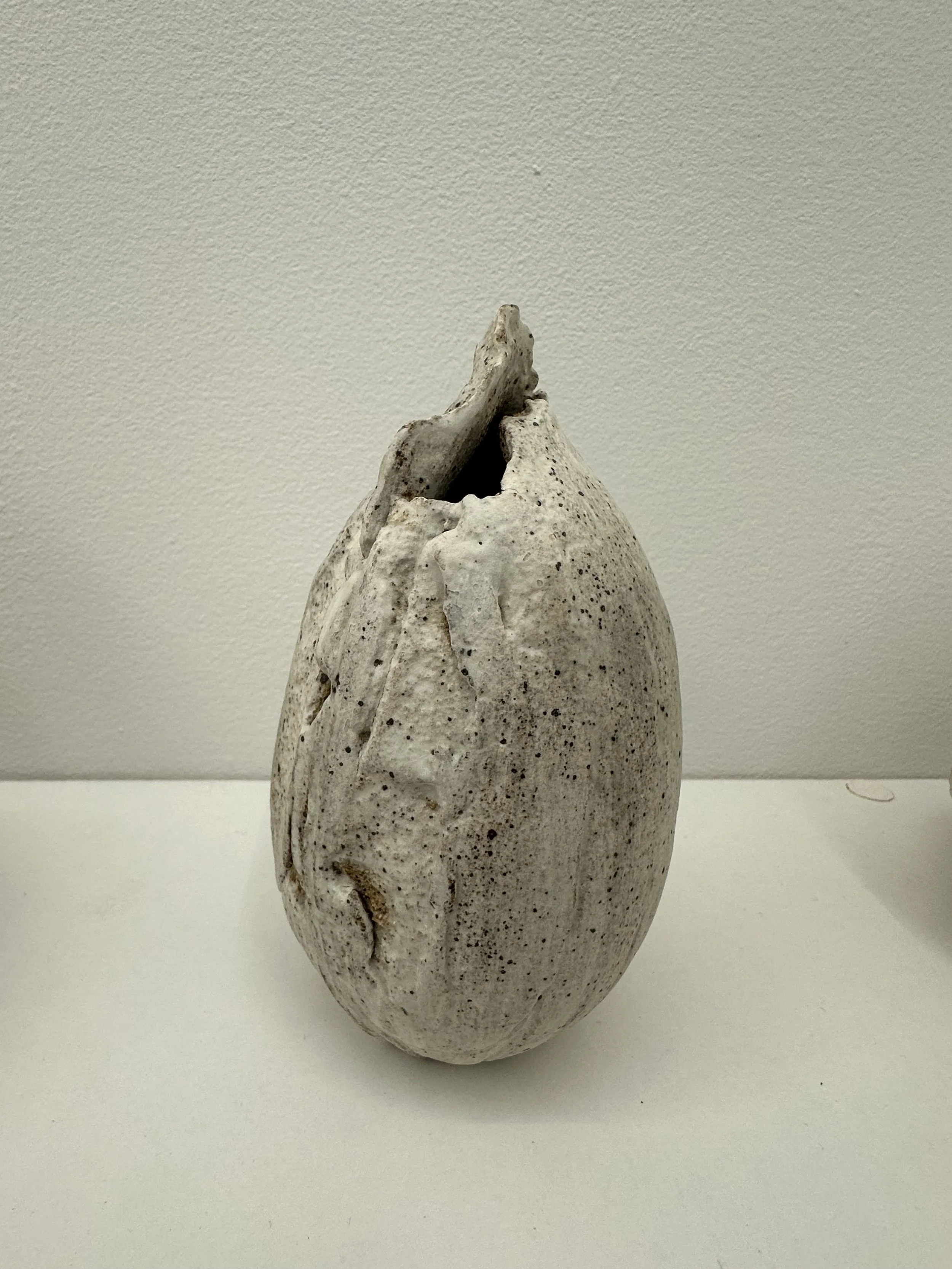
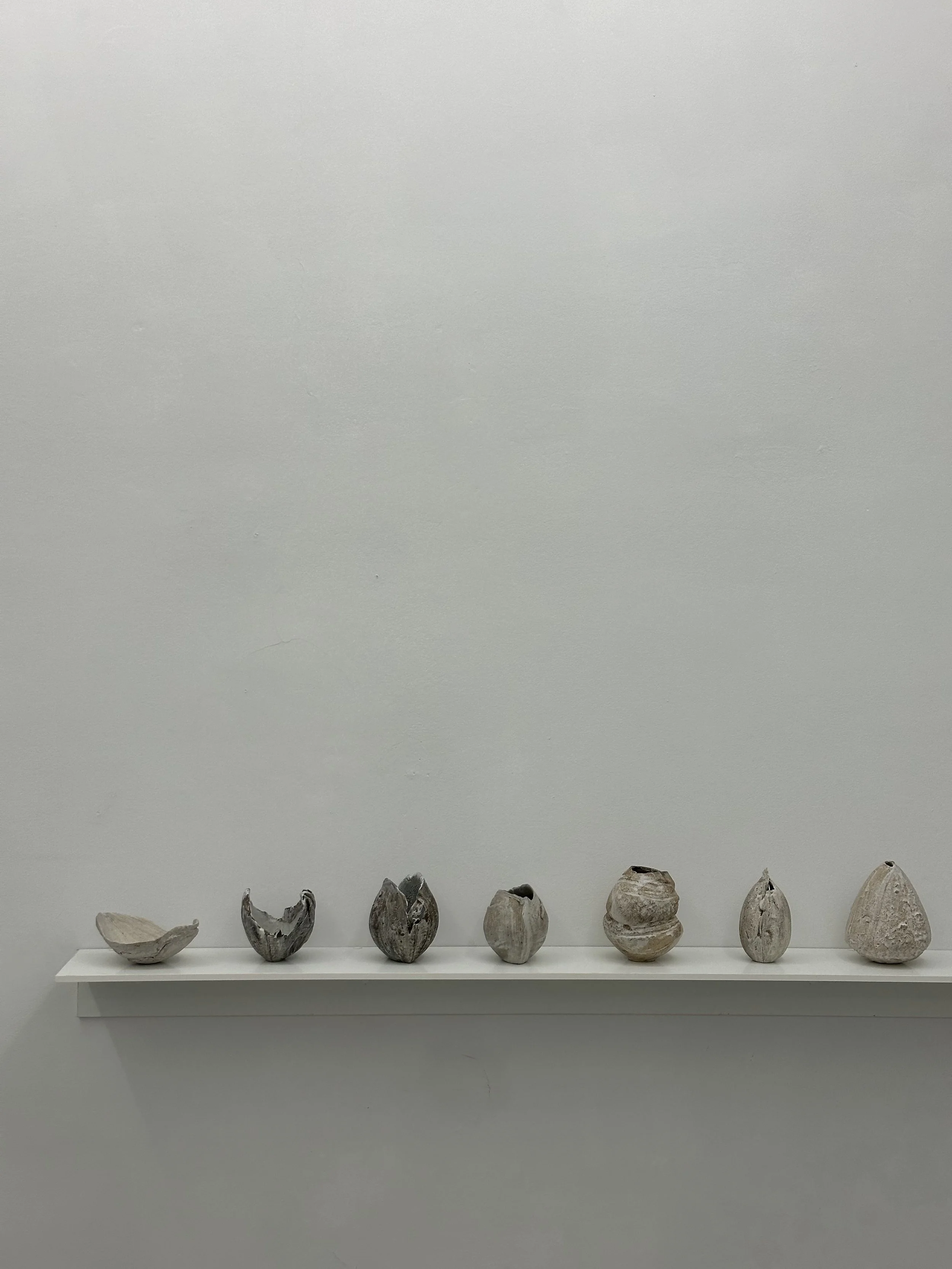
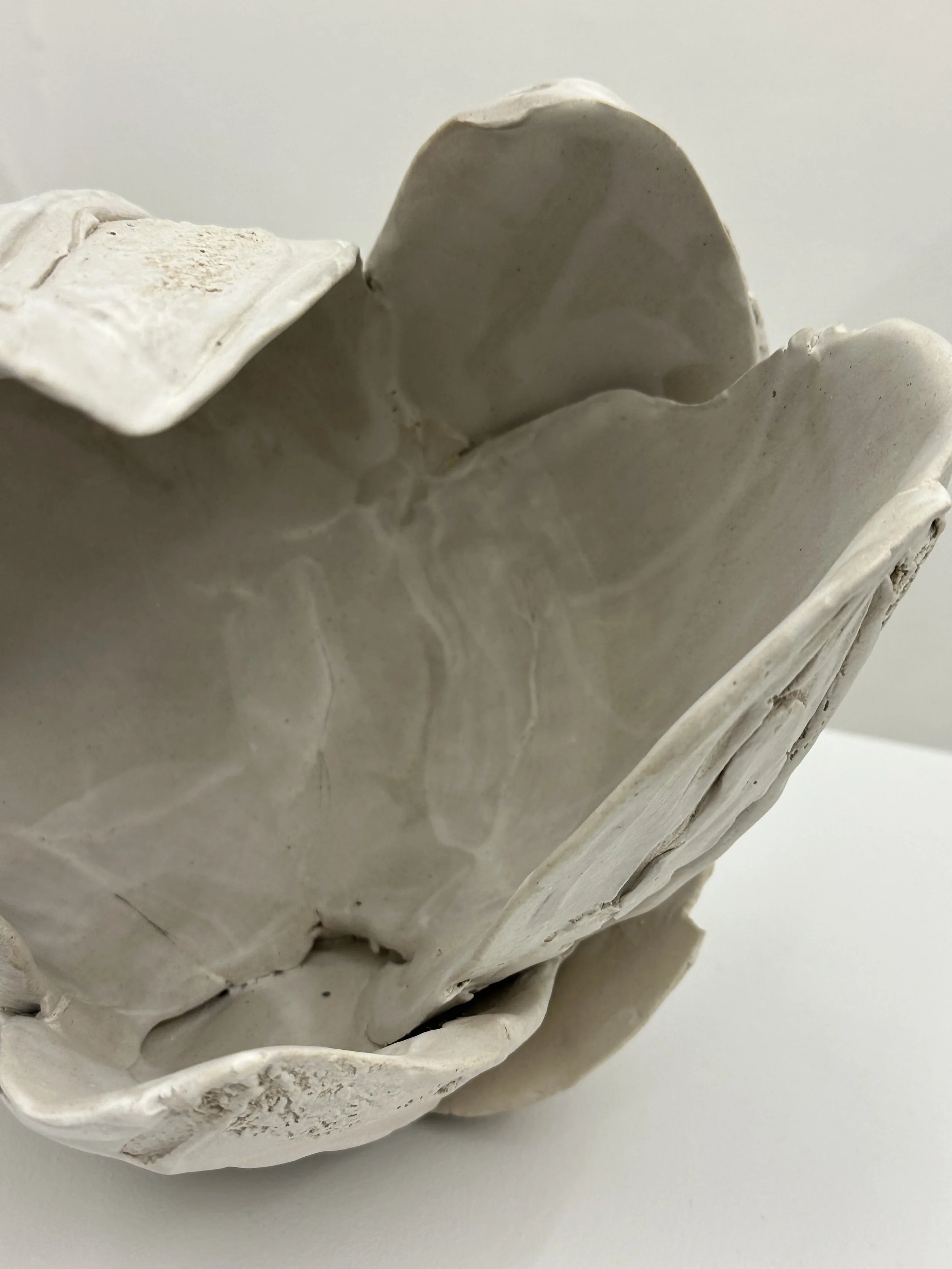
Fire has the last word. She knows the lesson of opening a kiln to find a broken piece, the hours and the effort suddenly translated into knowledge. In a workshop, learning is continuous. She reads light and shadow across her surfaces with a graphic intention, imagining the piece both in presence and as image; that double gaze opens another creative path. The kiln itself has a voice: a breathing animal in wood firing, an ever rising roar in gas, the interior brightening while minerals transform.
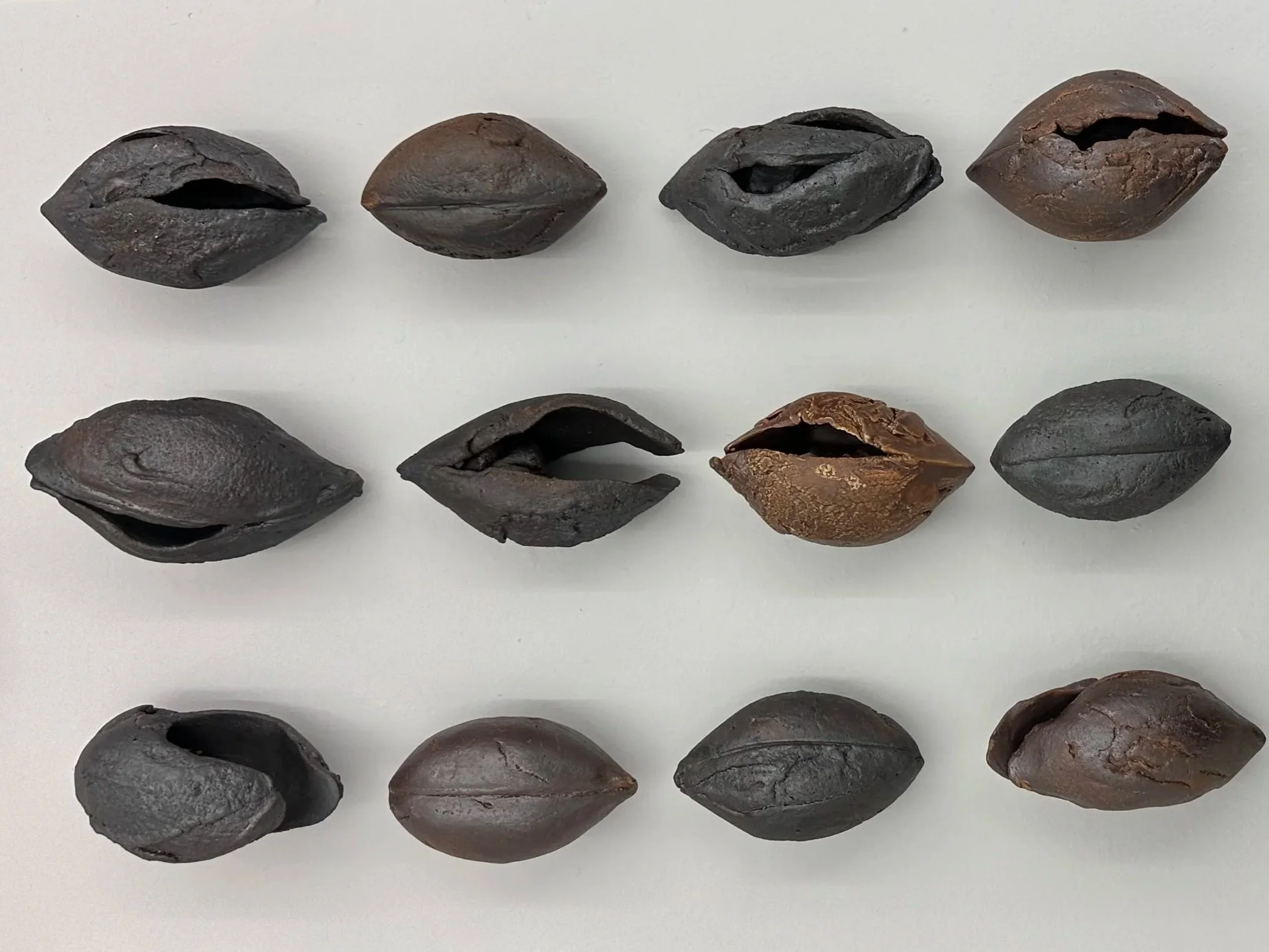
Her work is rooted in Manises, shaped with clays from varied sources. Place sharpens the hand. She does not project how the pieces will age; ceramics adapts to the moment it inhabits, companion and mirror of contemporary life. If NOIR were a vessel, it would speak of artisanal processes and the elegance of the knowledge that precedes us: softness and lightness that only the handmade can carry. Her textures converse with clothing through the value of maturation, time as the bridge.
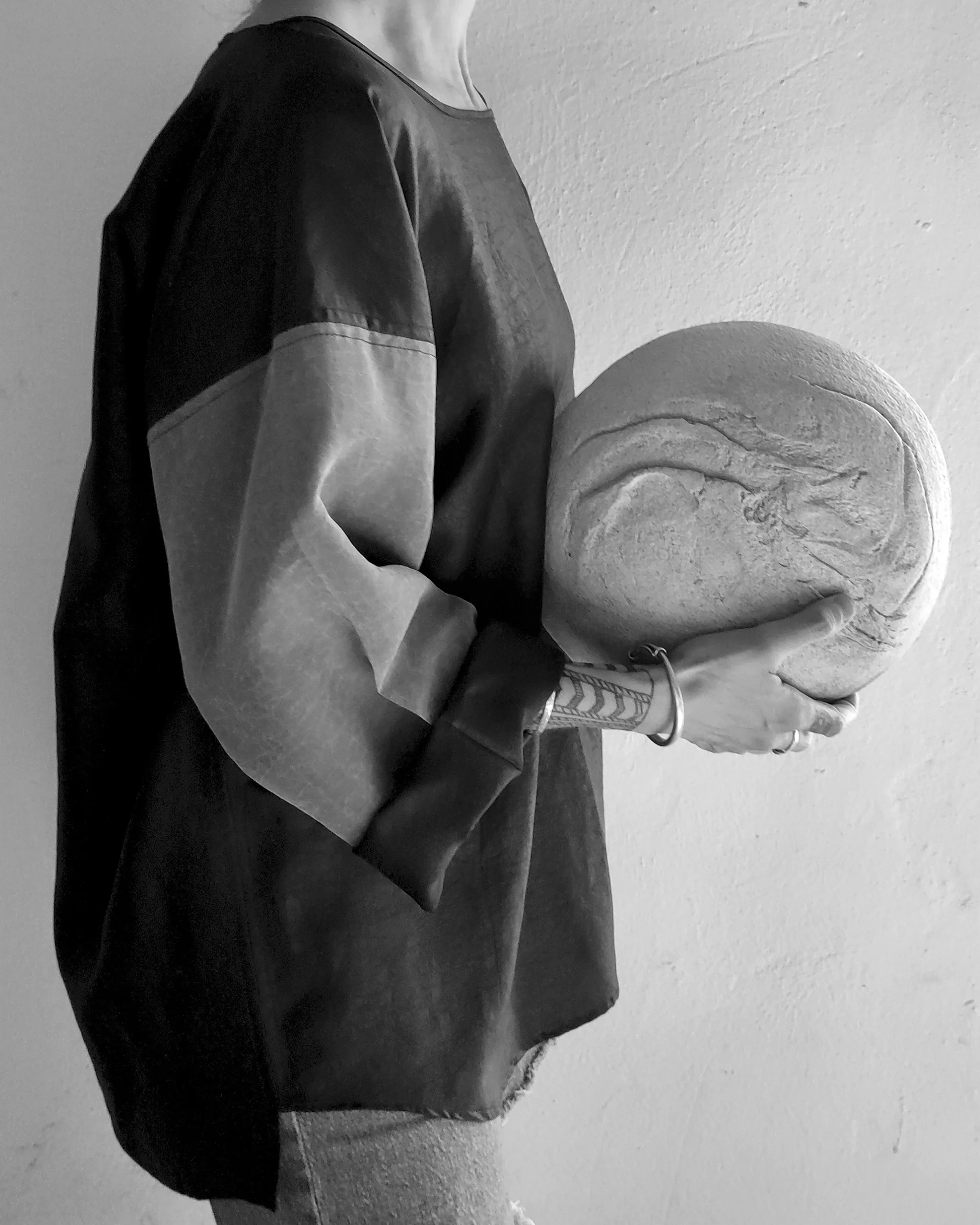
There is an image that gathers her language: a cave from within, an archaeological site, surface as narration, lights and shadows offering refuge, time speaking. On her table now lies The Name of the Rose by Umberto Ecco, read in the pauses between firings. What she wishes to leave in those who live with her pieces is a call to observe nature and a necessary commitment to care for land, animals, and the people who share it.
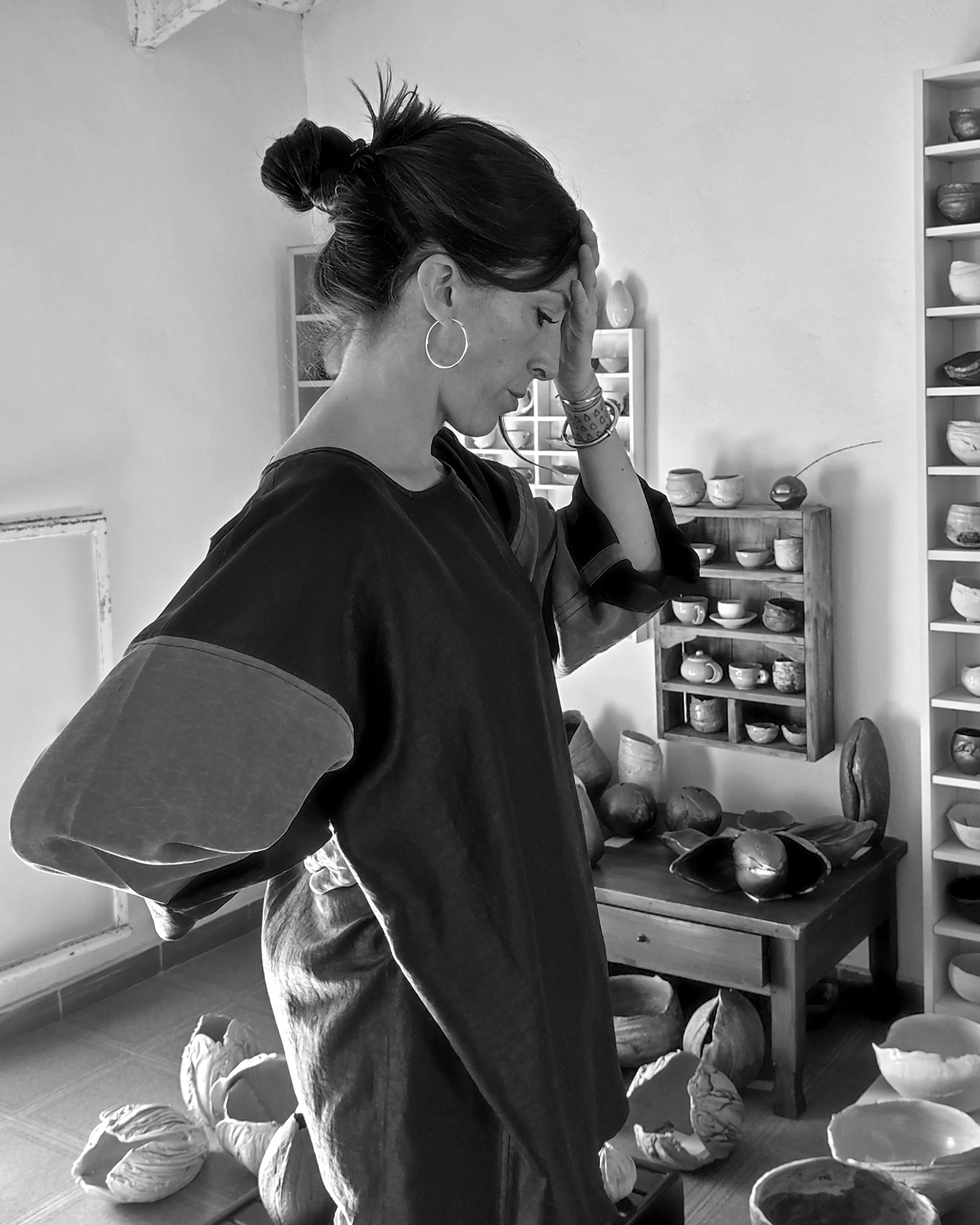
Between her clay and our NOIR Mud Silk runs the same river, earth carried by water, air, and time. Clay finds its vessel in fire; silk finds its skin in mineral rich mud and plant tannins, the sun a slow kiln of light. Ash becomes glaze, iron becomes tone. As glaze is to clay, mud dye is to silk: a mineral patina that seals, deepens, and reveals. Both remember the hand, welcome the accident, and age into their own truth.
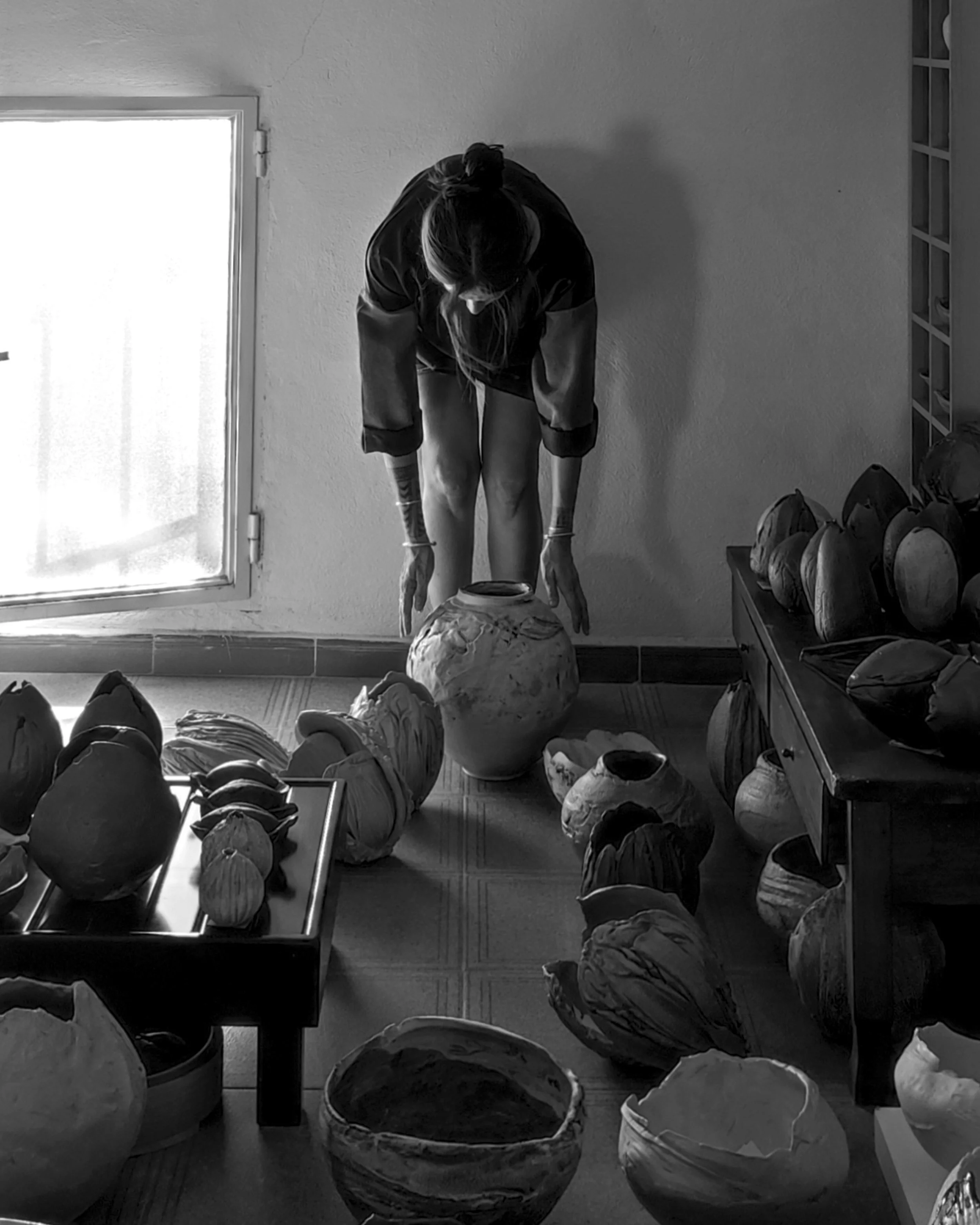
Photos by Paloma Varea Milán
Art pieces by @patricia_varea_milan